


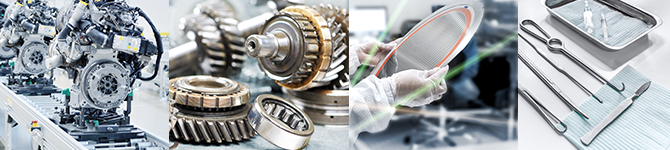
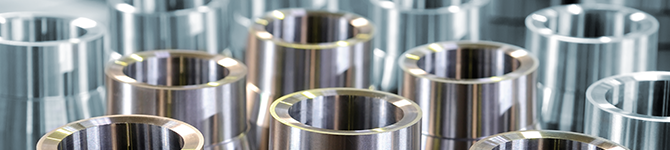
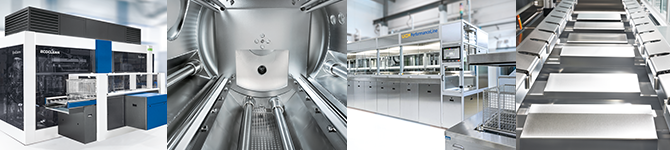



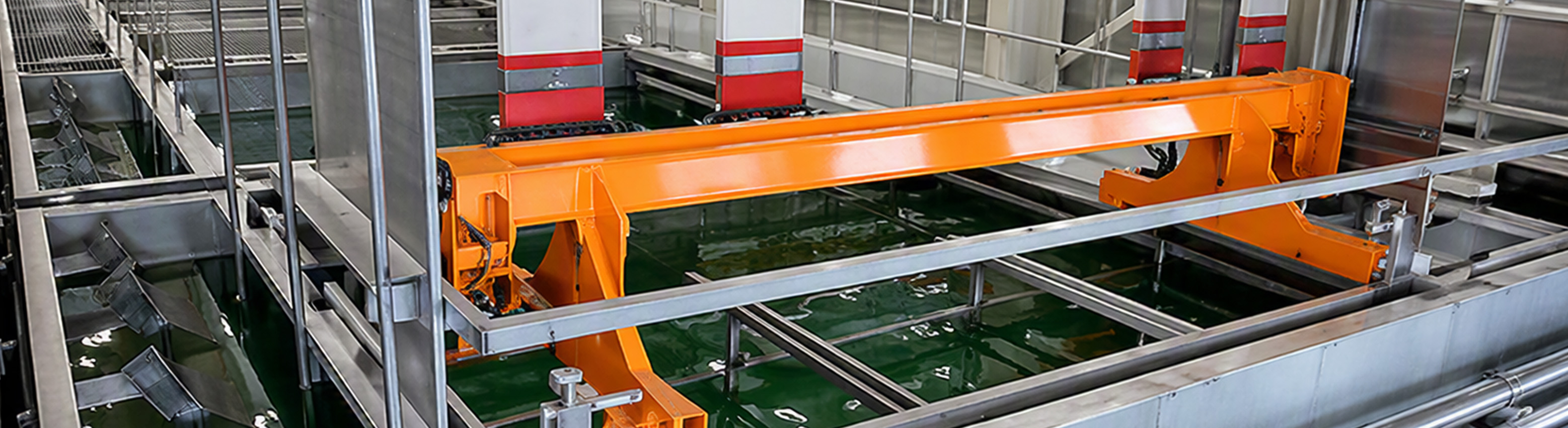
Pickling and phosphating are among the established processes in industrial surface treatment. They lay the foundation for corrosion protection, coating processes, and defined surface properties. However, the requirements for these processes are rarely standardized. Different component geometries, individual production conditions, local environmental regulations, and specific quality requirements mean that many projects require specialized approach.
This is where Ecoclean’s custom-designed continuous immersion systems come into play. They enable the combination of various process steps into a seamless, reproducible, and cost-effective system solution.
Pickling and Phosphating as Part of Complex Process Chains
Pickling removes oxides, scale, and other inorganic contaminants from metal surfaces. The goal is to create a clean, active surface for subsequent machining or coating processes.
Phosphating creates a functional conversion coating on the metal surface. Depending on the process—for example, iron, manganese, or zinc phosphating—it serves as corrosion protection, improves the adhesion of subsequent coatings, or specifically influences friction and wear properties.
In all applications, these process steps are supplemented by rinsing, passivation, and drying processes. This results in multi-stage process chains that place high demands on plant layout, media management, and process control.
“Typical components are lightweight parts that, after a transport process, must first be stripped of their oxide layer and then further processed into an assembly. But even in the high-purity sector, the advantages of pretreatment followed by high-purity cleaning are becoming increasingly recognized,” explains Oliver Pelz, Sales Director at Ecoclean GmbH, Center of Competence Filderstadt, Germany.
Why Standard Systems Often Fall Short
While individual surface treatment processes often appear standardized, the actual requirements vary considerably from project to project.
Typical influencing factors include:
- Size and weight of the components
- Component geometries and materials
- Production capacities and cycle times
- Surface quality and process reliability requirements
- Site-specific environmental and infrastructure requirements
- Integration into existing production lines
This results in system designs that go far beyond the actual process baths.
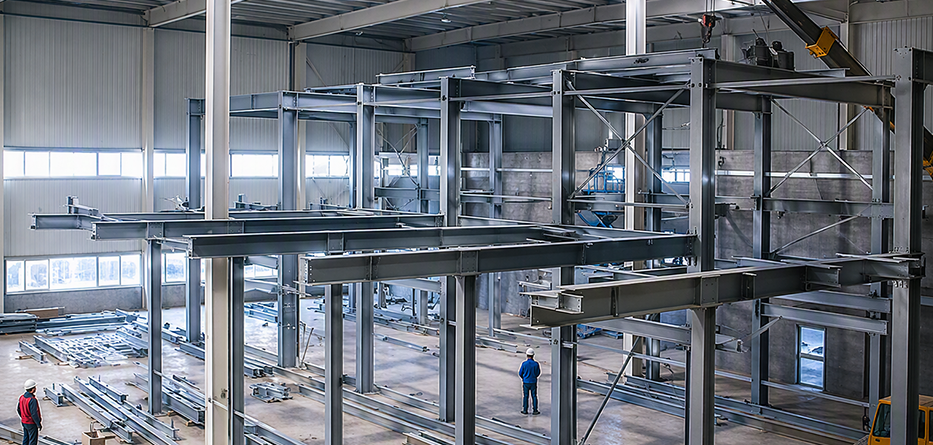
Ecoclean develops and implements custom-designed continuous immersion systems for pickling, passivation, and phosphating processes. The design is carried out in close coordination with the customer and the chemical suppliers involved.
Depending on the requirements, different process steps, bath sizes, and conveying concepts can be combined.
Typical project scopes include:
- Custom-designed pickling and phosphating baths
- Bath volumes up to 50 m³
- Automated conveying and transport systems
- Supply and exhaust air systems
- Water treatment systems
- Wastewater treatment
- Process monitoring and control technology
The coordinated design of all components ensures stable processes and reproducible results, even in complex applications.
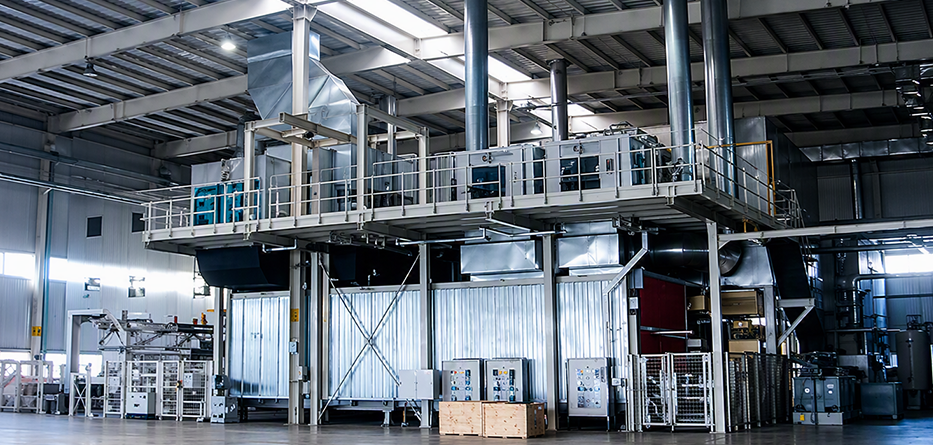
“From the U.S. to China, customers value customized pretreatment solutions. We have mastered system technology ranging from a few liters to 50 m³ of single-bath volume,” explains Oliver Pelz.
The following picture shows the largest cleaning and pickling system that Ecoclean installed in China. Four locations collaborated on its development.
More Than Just Chemistry: The Overall System Matters
The quality of a pickling or phosphating process is not determined solely by the chemicals used. Equally crucial are:
- Precise adherence to dwell times
- Uniform part flow
- Consistent bath quality
- Effective exhaust air management
- Reliable water treatment
- Safe treatment of process wastewater
That is why Ecoclean views every plant as an integrated system in which process engineering, automation, and infrastructure are optimally coordinated.
This holistic engineering approach contributes significantly to process reliability and cost-effectiveness.
International Projects and Local Requirements
Many projects today are implemented within international production networks. Not only do customer requirements vary, but so do local standards, environmental regulations, and infrastructure conditions.
Ecoclean supports such projects worldwide—from design through manufacturing, installation, and commissioning, and, of course, on-site service.
“Ecoclean is one of the few global providers in this segment that can offer agility, execution capability, and safety. By combining process engineering, media management, automation, and global project expertise, we can implement stable, reproducible, and cost-effective processes—precisely tailored to the specific application,” concludes Oliver Pelz.
___________________________________________________________________________________________
Are you planning a new pickling or phosphating system, or are you reaching the limits of your existing processes? We’ll work with you to develop a system design that’s precisely tailored to your components, process requirements, and production conditions—from process engineering and media management to automation and global commissioning.
Talk to our experts about your requirements: sales.filderstadt(at)ecoclean-group.net
___________________________________________________________________________________________


