






Aqueous & Solvent‑Based Chamber Cleaning Systems
Efficient and reliable industrial parts cleaning
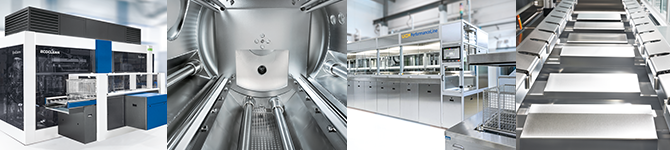
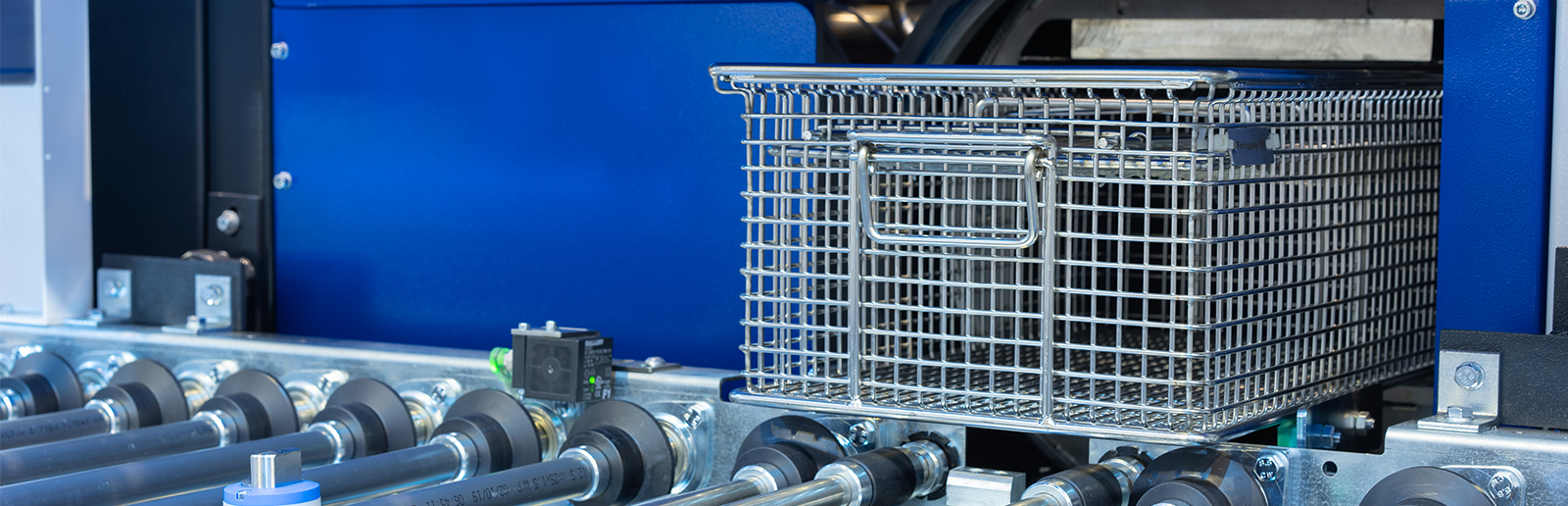
Ecoclean chamber cleaning systems stand for maximum process reliability and excellent cleaning quality in industrial parts cleaning. In vacuum‑tight process chambers, components are reliably cleaned in batches as bulk goods or as racked parts on workpiece carriers. This makes these systems the ideal solution for delicate, complex or highly precise components with demanding requirements for technical cleanliness.
Cleaning with aqueous and solvent‑based media
The chamber systems are designed for the use of all common cleaning media and can be flexibly adapted to material properties, types of contamination and required cleanliness levels. Depending on the application, aqueous cleaning media are used for coarse, intermediate or fine cleaning, while solvents such as hydrocarbons or modified alcohols ensure the efficient removal of oil‑ and grease‑based contaminants.
An integrated media treatment system ensures stable, reproducible and resource‑efficient processes throughout the entire system operation. As a result, these systems cover a wide range of applications – from classic industrial parts cleaning to highly demanding fine cleaning for technical cleanliness.
Flexible process technologies for optimum results
Depending on the cleaning task, Ecoclean chamber cleaning systems combine various high‑performance process technologies within a closed system. These include spray and immersion cleaning processes for the reliable removal of particulate and filmic contamination, as well as Injection Flood Washing (IFW) with intensive media exposure for complex component geometries.
For particularly high cleanliness requirements, ultrasonic cleaning processes are used – optionally also as Ultrasonic PLUS with intensified cavitation effects. For hard‑to‑reach internal geometries, fine bores or capillaries, vacuum‑assisted processes such as Pulsated Pressure Cleaning (PPC) are available.
In solvent‑based applications, integrated vapor degreasing enables highly effective degreasing, while subsequent vacuum drying ensures fast, residue‑free and spot‑free drying of the components. The result is reproducible cleaning results – even for challenging geometries and highest quality requirements.
For a wide range of applications and maximum cleanliness standards
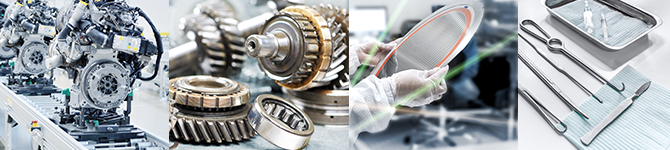
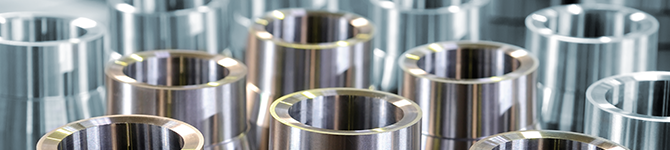
The chamber systems are suitable for components made of metal, plastics or hybrid materials and can be integrated into both small batch production and large‑scale manufacturing environments. Typical fields of application include machinery and plant engineering, the automotive supplier industry, electrical and precision engineering, as well as highly regulated sectors such as medical technology and aerospace.
Whether coarse cleaning or fine cleaning is required, Ecoclean provides the right chamber solution for every industry and every cleanliness specification.


